Nutrition
Food is fuel and material, not a moral test. It is how a body stays warm, mends a cut, keeps a thought, and sits down with other people. This page is about that ordinary work, not a winter of rules.



A meal does more than one job at once. It supplies energy so muscles can contract and the brain can keep a steady watch. It supplies material so cells can replace what they wear out. It supplies water and salts so nerves can fire and blood can hold its volume. It also supplies a pause in the day. At a table, a lunchroom, or a desk, that pause is part of being human, not a weakness in a plan.
Energy in food is often counted in calories. The number is a rough measure of fuel. It does not tell you whether the tank was filled with soup, bread, cheese, or a sweet drink. Bodies are not engines with a single gauge. Two plates with the same calorie count can leave you full or hungry, steady or shaky, depending on protein, fibre, fat, water, and how fast the meal is eaten.
People eat in patterns, not in single nutrients. Four patterns are talked about a great deal now. They are described here so you can see what they are, what they limit, why someone might choose them, and where the honesty has to stay. This page does not crown a winner. It does not tell you to start an extreme diet. If you are considering a large change — especially if you are pregnant, have diabetes, take medicine, or have a history of disordered eating — talk with a clinician who can see you before you rearrange your plate.
Carnivore
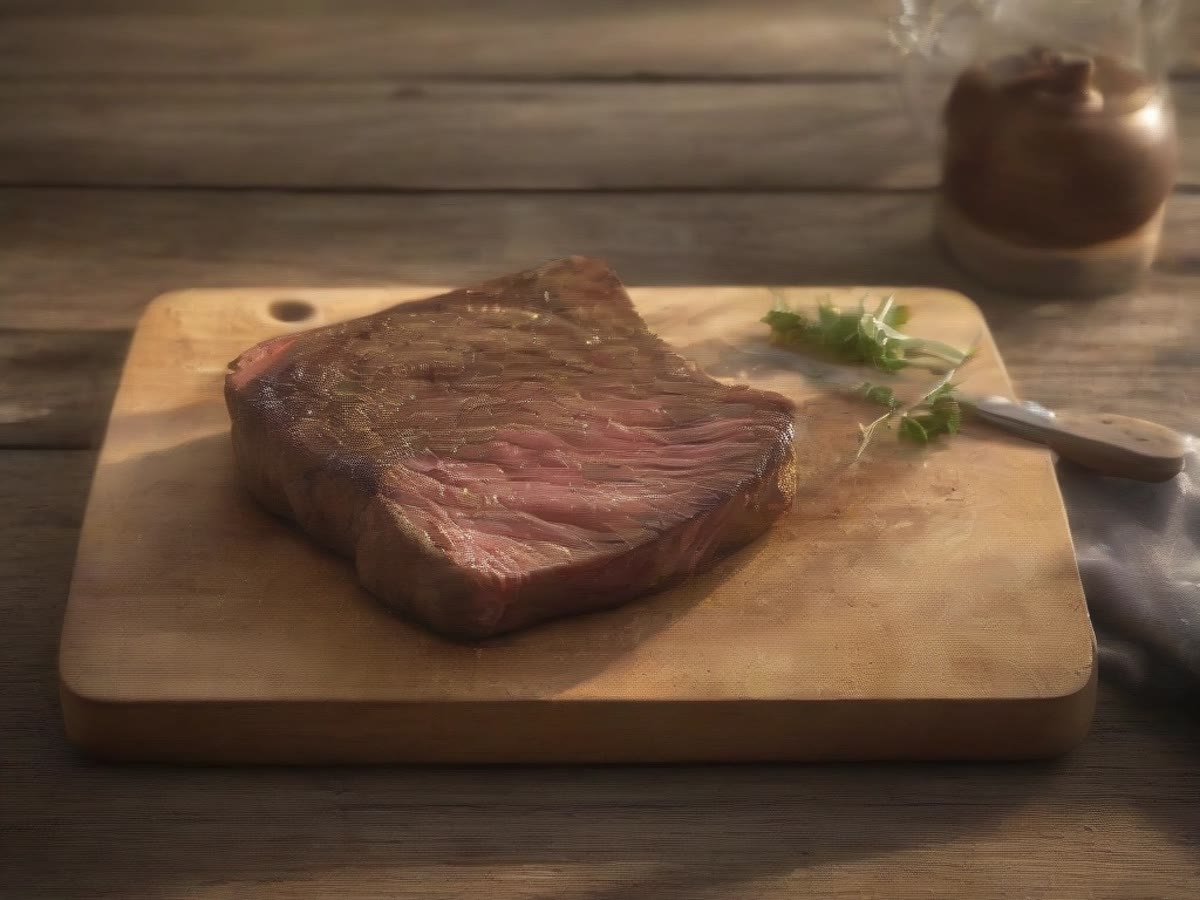
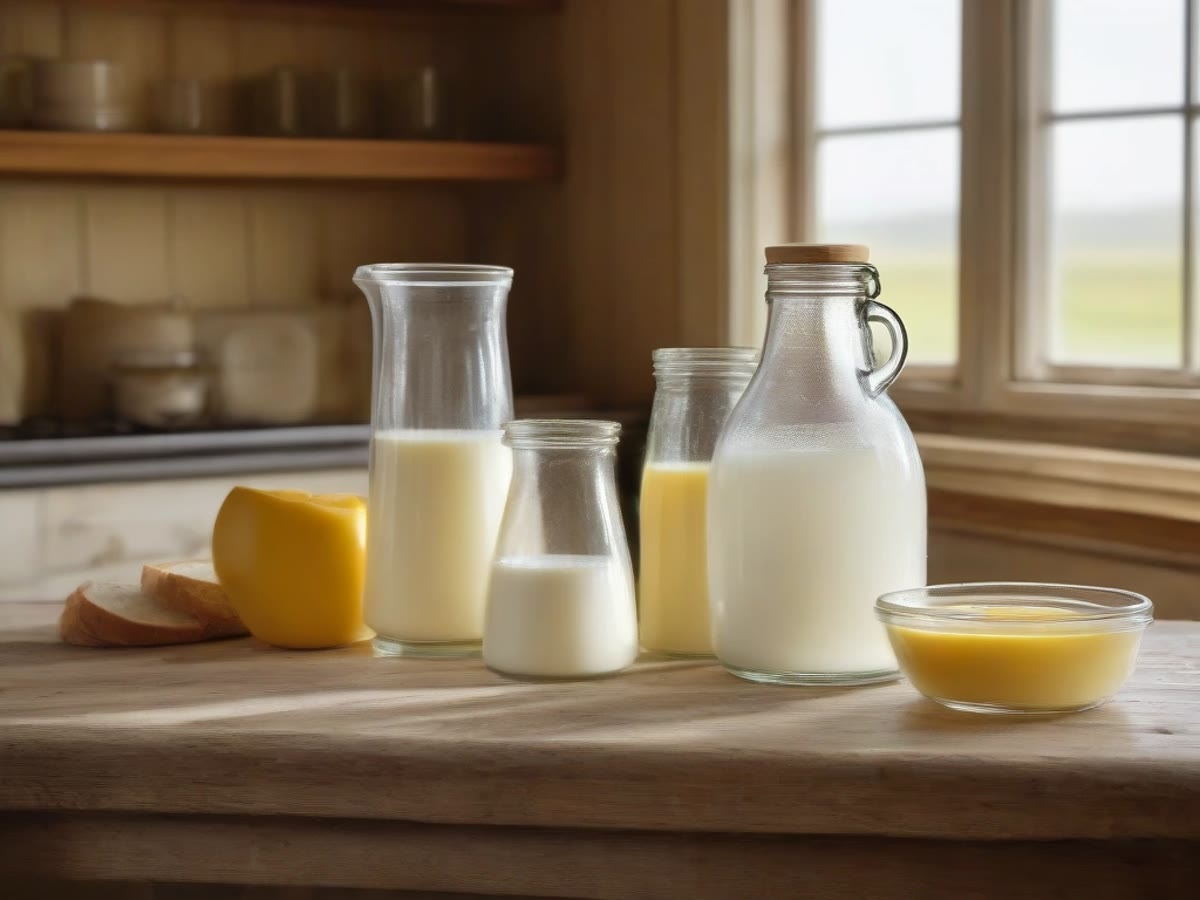
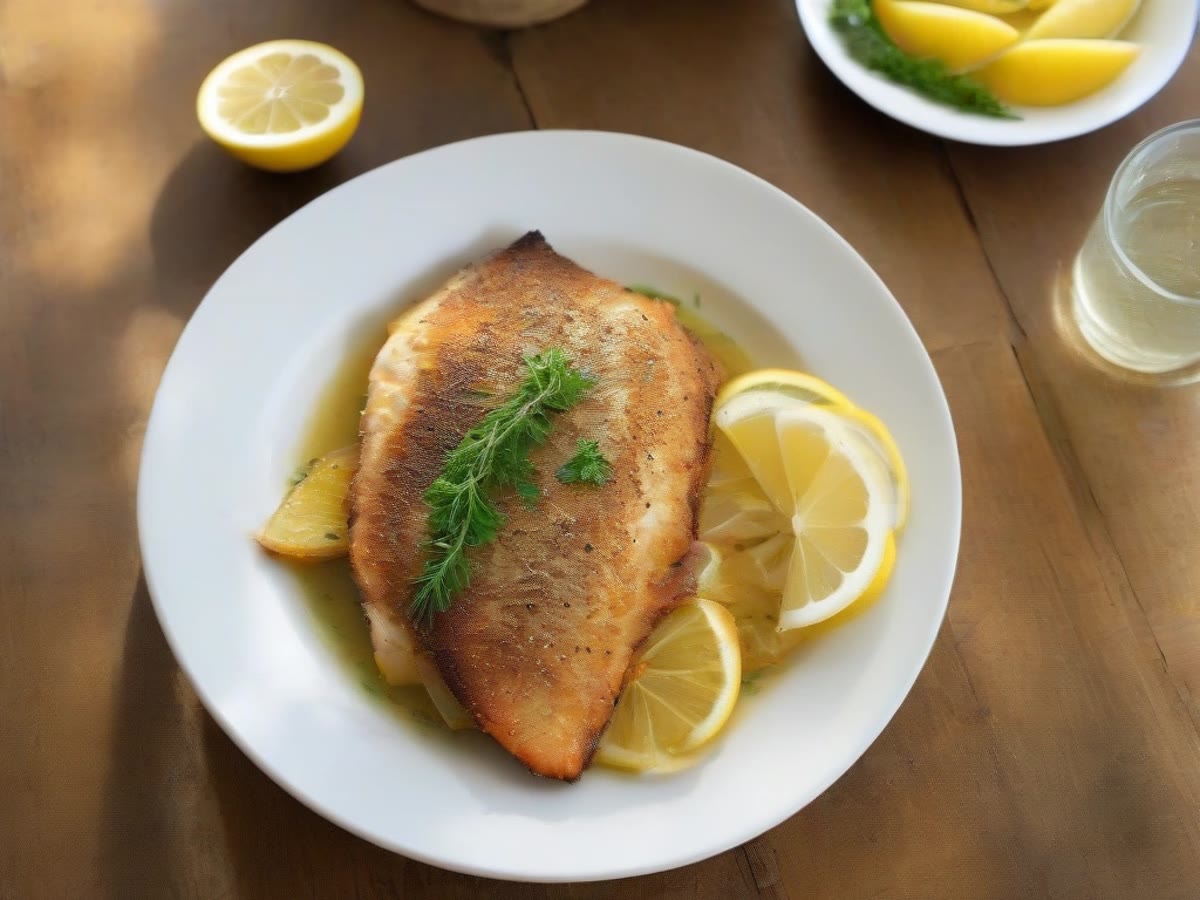
A carnivore pattern is mostly or only animal foods: meat, fish, eggs, and often dairy. Plant foods are reduced to a little, or to none. The photographs on this page of steak, eggs, and dairy are the sort of plate it describes. People who choose it often want a simple rule, fewer packaged foods, or relief from symptoms they blame on plants or starch. Some report that hunger quiets and that digestion feels simpler.
What it limits is almost the entire plant kingdom: fruit, grains, legumes, and most vegetables. That is a large exclusion. Fibre falls. Vitamin C and several other micronutrients become harder to get from food alone unless organ meats and a wide mix of animal foods are used with care. Long-term evidence in mixed populations is thin compared with patterns that have been watched for decades. Constipation, social strain, and a monotonous plate are ordinary complaints. It is not a purity contest, and it is not a prescription. Anyone with kidney disease, a lipid disorder, pregnancy, or a clinician already watching their diet should not treat a slogan as a plan.
Keto
A ketogenic pattern is very low in carbohydrate, high in fat, and moderate in protein. Bread, rice, pasta, sugar, and most fruit are sharply limited. Meat, fish, eggs, butter, oils, cheese, and low-starch vegetables usually remain. After a few days of very little carbohydrate, the liver makes ketone bodies from fat, and many tissues — including, to a degree, the brain — can use those ketones as fuel. That is a fuel shift, said in plain words: when glucose is scarce, the body has another currency.
People choose keto for appetite control, for a sense of steady energy, or because a clinician has used a medical version of it for specific epilepsy care. A medical ketogenic diet is not the same as a social-media version, and it is supervised. Caveats belong in the open. The first week can feel foggy or tired. Fibre can drop. Athletes who rely on fast carbohydrate may notice the change. People who take insulin or other glucose-lowering medicine can see blood sugar fall too far if the pattern is started without a clinician. Electrolytes, hydration, and a plan for how long to stay on it are not internet problems. They are clinical ones.
Paleo
A paleo pattern tries to resemble older-style foods: meat, fish, eggs, vegetables, fruit, nuts, and seeds. It sets aside industrial grains, refined sugar, and the seed oils that became common in the last century, and it usually skips legumes and dairy. The framing here is calm, not a purity contest about who is more ancestral. No one on earth eats exactly as a Pleistocene forager ate, and foragers did not eat one menu.
Why people choose it: fewer ultra-processed foods, a plate that still has colour, and a story about food that feels older than a supermarket aisle. Typical meals look like meat or fish with vegetables and fruit, cooked in animal fat or olive oil. What it limits — grains, beans, and often dairy — removes cheap, filling foods that many cultures have lived on for millennia. Iron and protein are usually easy. Calcium may not be, if dairy is out. The idea that all modern staples are poisons is louder than the evidence. As with the others, it is a pattern some people can live in, not a ranking of souls.
Mediterranean
A Mediterranean pattern is built around plants, olive oil, fish, modest meat, fruit, legumes, and often some dairy and wine at the table. Whole grains are usually included. Sweets and red meat are not banned; they are not the centre. Of the four patterns on this page, this is the one with the longest trail of public research in large groups: heart and metabolic outcomes have been watched for decades, in more than one country, without turning the pattern into a miracle.
People choose it because it is social as well as edible — meals that look like food, not like a protocol — and because clinicians are more likely to have seen it studied. It still has caveats. “Mediterranean” on a box of crackers is marketing. Olive oil is not a sacrament. Calories still count if the bottle is heavy. Fish quality and cost vary by coast and by inland city. It is a pattern of plants, oil, and modest animal foods, said without hype, not a medal.
Water, and the quiet ones
Water is still the main drink. Tea and coffee count toward fluid for most people. Thirst is a useful signal, though older adults sometimes feel it less. Alcohol is a food of a sort and a drug of a sort. It adds energy, loosens sleep later in the night, and is hard on the liver when it is frequent and heavy. None of that needs a lecture. It needs an honest place on the map.
Vitamins and minerals are needed in small amounts and cause trouble when they are missing for a long time. A varied table covers most of them without a catalogue of capsules. Vitamin D is made in skin with sunlight and is also present in a few foods; people who see little sun, or whose clinicians have already measured a lack, sometimes need a plan that is not this page. Iron, iodine, B12, and calcium each have their own stories. A person who is pale and exhausted, who eats very little, or who has cut out whole classes of food should be looked at by a human being, not by a nutrient chart.
What this page will not do
This page will not tell you that one food is poison and another is a miracle. It will not rank you. It will not diagnose celiac disease, diabetes, or an allergy. Those are clinical questions. It will not tell you to begin carnivore, keto, paleo, or any other sharp change because a photograph of steak looked convincing. If eating is painful, if you are losing weight without trying, if swallowing is hard, or if a child is not growing, that is a reason to see a clinician, not to finish a website.
For everyday life, a useful picture is still simple. Eat at regular times when you can. Include something with protein. Include plants in some form most days, unless a clinician has given you a different map. Drink water. Share a table when it is offered. The body you are feeding is the same one that walks, remembers a name, and has to last. Treat the meal as part of that life, not as a separate religion.