Communication
A body is a body everywhere, and almost everywhere it talks. Speech, a hand in the air, a mark on a surface, a packet in a cable under the sea: these are how people reach each other. This page is a calm tour of that history, not a networking manual, and there is no live chat on it.

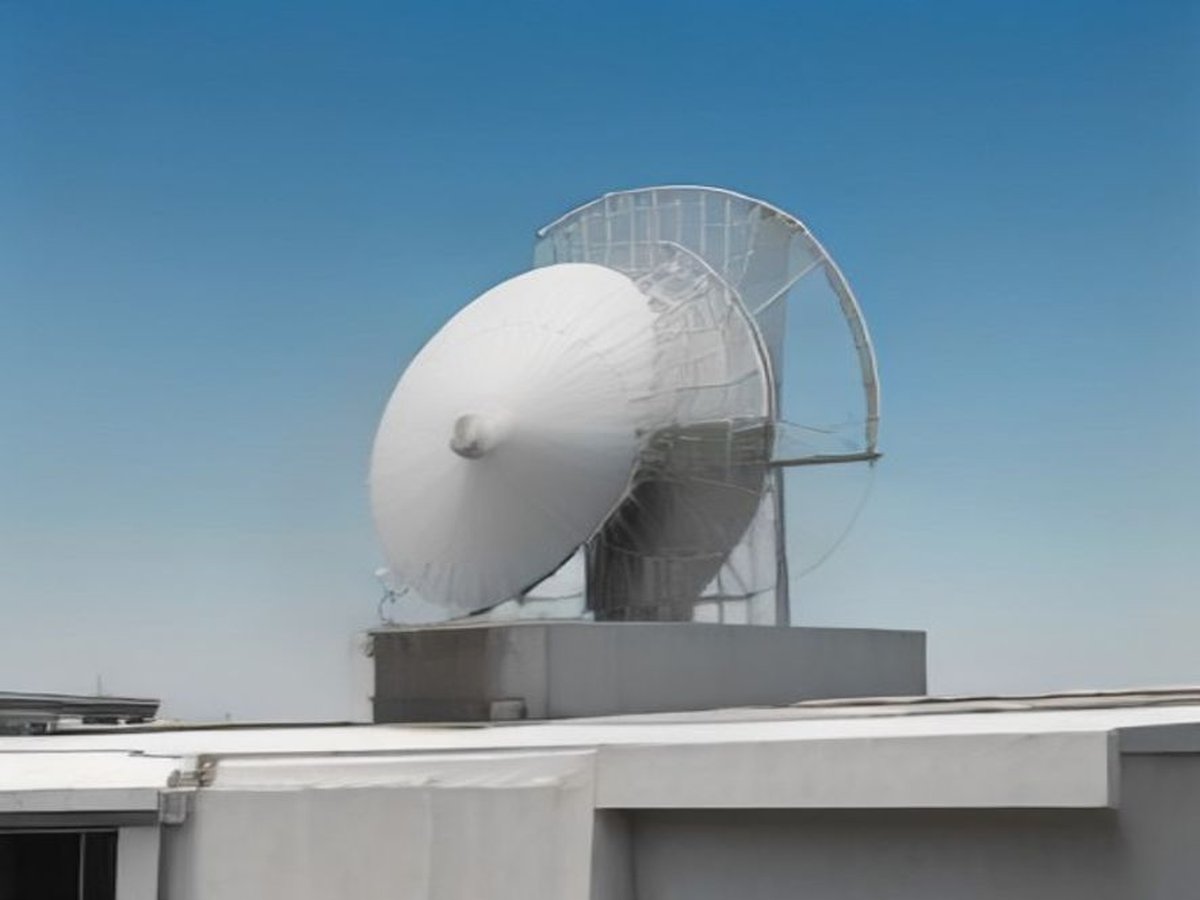
Before writing, there was speech and gesture. A language is a shared system of sounds and rules that a child can pick up from the people around them. There are thousands. None is a failed version of another. Gesture — pointing, nodding, the shapes of a signed language — is not a lesser channel. Signed languages are full languages, with grammar, not pantomime. A person who speaks one tongue and signs another is doing what humans do: using the tools at hand to make meaning travel.
Marks that last
Writing systems freeze speech, or something near it, so it can leave the speaker. Some write sounds (alphabets, abjads, syllabaries). Some write morphemes or words (as in Chinese characters). Some mix the methods. Clay, papyrus, parchment, paper, a screen: the medium changes; the wish is the same — to send a sentence into another day. Scribes were once a class. Literacy is now a common expectation in much of the world, and still uneven. The learning page puts reading well first for a reason.
Printing, in East Asia and later in Europe, multiplied copies and lowered the cost of a page. Newspapers, pamphlets, and books could disagree in public. That disagreement is part of why science and law look the way they do: an argument that can be checked. The printing press did not make people wise. It made more people able to read the same words at once.
Distance: post, wire, and air
Postal systems — riders, ships, trains, vans — turned a letter into a public service. You still see the envelope in the mind when you send mail. The telegraph put dots and dashes on a wire and collapsed days into minutes, but only for a short, expensive message. The telephone put a voice on a wire, then on a radio link. Radio put one voice, or one song, into many kitchens at once. Television added a face. Each step made the far feel nearer, and each step needed shared rules: voltages, frequencies, time slots, addresses.
Satellites sit above the weather and bounce a signal where cable is scarce or where a whole continent must hear a clock. Undersea cables, quieter and easier to forget, carry most of the internet’s long-haul traffic as light in glass. The map of those cables is a map of money, colonies, and later of commerce. A smartphone is a small radio, computer, and camera that pretends to be a single object. It is the latest layer, not the first.
Packet-switched internet
Older phones kept a circuit open, like a pipe reserved for one talk. Packet switching cuts a message into addressed pieces, sends them along whatever path is free, and puts them back together. That design survived damage and crowding, which is why a global net could grow from research networks without a single owner of every mile. Shared protocols — agreements about how a packet looks, how a name becomes a number, how a page is requested — are why machines that have never met can still converse. The engineering is dry on purpose. Dry is how strangers cooperate at scale.
Why the modern system looks like this
It looks shared because it had to. A cable, a satellite slot, a radio band, a character encoding: these only work if both ends agree. English became a common second language in aviation, science, and much of the public internet, not because other languages failed, and not because they should vanish. It is a convenience with a history of empire and trade. The honest stance is to use a lingua franca when it helps, and to keep other languages alive when they are the ones a life is actually lived in. Time zones exist because noon is local; a meeting across oceans has to pick a clock and make someone stay up. None of this is destiny. It is the furniture of a planet that talks in real time.
Censorship, scam, and noise travel on the same rails as a letter to a parent. Protocols do not know virtue. People still have to.
What this page will not be
There is no chat widget here, and no comment box. A worried body at a late hour does not need a program that guesses the next sentence, or a stranger who cannot see them. If you have a question about your own health, talk with a clinician who can see you. If it is urgent, use your local emergency number. If you came for languages, history, and the shape of the wires, you already have the page.
Speech remains first. Every later channel is an attempt to keep a voice, a face, or a sentence from dying at the edge of the firelight. The tools got faster. The job did not change.