Body Cycles
A body is not a straight line. It is a set of clocks. Some tick in a day. Some tick in a month. Some tick in a season. When the clocks line up with the world outside, life feels easier. When they do not, the same work feels heavier, and the same meal sits differently.
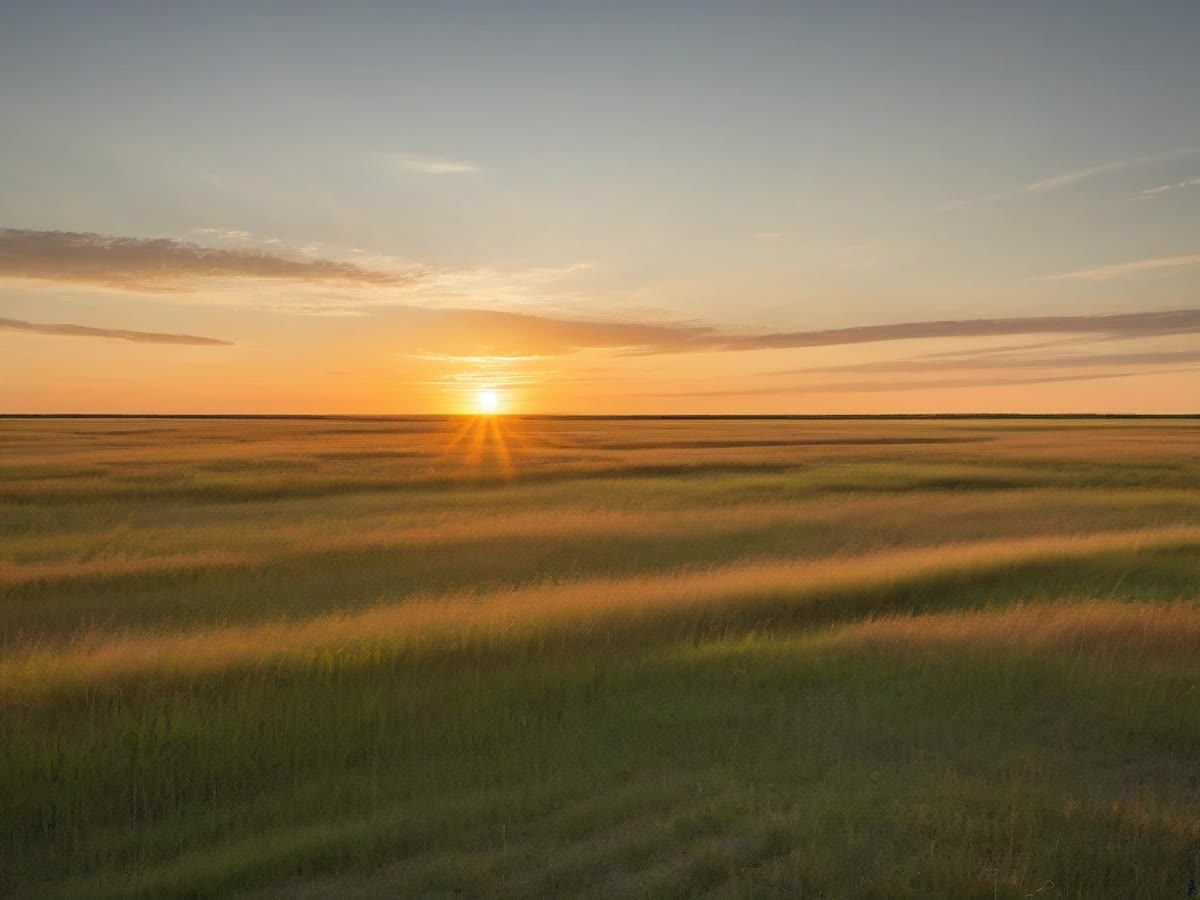
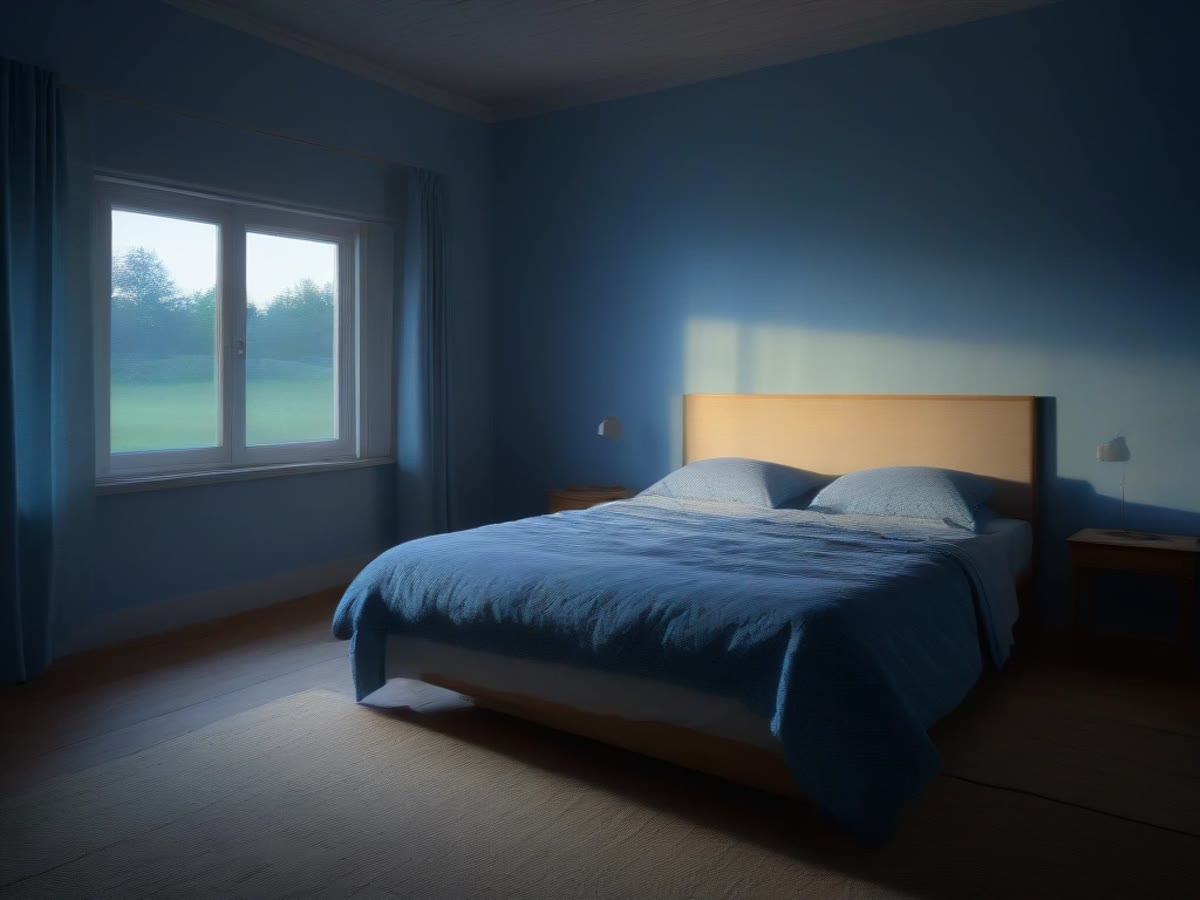

The best known clock is circadian: about a day long. It is not a metaphor. Cells throughout the body keep time with molecular loops, and a small cluster of nerve cells in the brain, sitting above the crossing of the optic nerves, helps set the orchestra. Light is the main conductor. When morning light hits the eyes, it tells that cluster that day has begun. Hormones, temperature, digestion, and alertness then follow in a loose parade.
Sleep is not empty time
Sleep looks like a pause from the outside. Inside, it is busy in a different way. The brain cycles through lighter stages, deeper stages, and dreaming sleep. In deep sleep, some of the day’s memories are settled, and the body does slow repair. In dreaming sleep, the brain is active, the body is mostly still, and the mind may stitch scenes that do not obey the clock on the wall. You do not have to remember dreams for sleep to have done its work.
Most adults feel best with a stretch of sleep that is long enough and regular enough that they wake without a fight most days. The exact number of hours is not a contest. Some people thrive near seven, some nearer nine. Children and teenagers generally need more. Older adults often sleep in a lighter pattern and may nap. None of this, by itself, is a disease. Trouble starts when sleep is short for weeks, when it is broken many times a night, when a person cannot stay awake while driving, or when breathing stops and starts. Those are reasons to talk with a clinician, not to buy a gadget first.
Caffeine blocks a sleepiness signal. It can be a useful tool in the morning and a poor one late in the day, because it lingers for hours. Alcohol can help a person fall asleep and then fragment the night. A heavy meal near bed can be uncomfortable. A cool, dark, quiet place helps many people, though a child, a neighbour, a shift, or a city night will not always permit that ideal. The aim is not a perfect cave. The aim is to stop treating the night as leftover daytime.
Light, latitude, and the clock
Seasons and light still exist, wherever you are. Near the poles, summer evenings stay pale and it is easy to keep working or scrolling until the body has missed its cue. Winter sun can be a brief visitor, and it is easy to see almost no strong daylight if you travel in the dark, work indoors, and return in the dark. Near the equator the day-length is steadier, but indoor life can still hide the sun. The inner clock wants a bright morning signal and a dimmer evening in every climate. A short walk outside after the start of the day is a stronger clock-setter than a dim indoor bulb. In bright seasons, dimming screens and lamps in the last hour before bed is a kindness to the same system.
Shift work fights the clock on purpose. Nurses, drivers, plant workers, and people who must watch a process at odd hours know this in their bones. The body can adapt somewhat, but it does not become a different species. Bright light during the “day” you must be awake, darkness during the “night” you must sleep, and careful caffeine are the usual tools people use. Naps can help. They are not laziness. If sleep attacks you at the wheel, that is a safety problem, not a private failure.
Other cycles
Temperature is not flat across a day. It tends to sit a little lower in the later night and to rise toward evening. That is one reason a place that feels fine at four in the afternoon can feel cold at four in the morning. Digestion has a daily pattern too. Many people find a morning bowel habit. Travel across time zones, or a sudden change from early work to late screens, can scramble that habit without any disease of the gut.
The menstrual cycle is a longer clock in people who ovulate. Hormones rise and fall across roughly a month, though the length varies. Energy, sleep, mood, and appetite can move with it. This is physiology, not a joke and not a verdict. Pregnancy, breastfeeding, and menopause are other long arcs. They are treated with respect on the reproduction page and are not puzzles to be solved by a stranger on the internet.
Seasons deserve a sentence of their own. Shorter days, less outdoor time, and social isolation in a hard winter can lower mood in some people. Others feel more alive in cold air and long evenings. If a season regularly brings a heavy, stuck sadness, that is worth a conversation with a clinician. A website cannot sort ordinary dislike of slush or heat from an illness that needs care.
A modest practice
You cannot bully a clock. You can give it better information. Get outdoor light in the first part of your day when you can. Keep bedtime and wake time in a familiar range on most days. Use the bed for sleep and intimacy more than for arguments and bright videos. If you cannot sleep after a stretch of lying awake, it is reasonable to get up and do something dim and dull until sleepiness returns, rather than staring at the ceiling in a rising panic. That panic itself wakes the body.
This page does not name your insomnia. It does not sell a mattress. It does not claim that a cold plunge at dawn will save you. It says that you are an animal with a day inside you, living on a planet where the sun is dramatic. Treat the day and the night as real, and many other topics — nutrition, movement, mood and attention — become easier to read.